Bicycle Accident Lawyer Guidance for Accidents Involving Trucks
Collisions between bicycles and trucks are different from ordinary traffic crashes in ways that matter immediately, and later, when the insurance process begins. The injuries are often more severe. The evidence can disappear faster. The legal and practical questions are more complicated because a truck usually brings a commercial insurance policy, a company, a driver qualification file, electronic data, maintenance records, and sometimes several entities arguing over who bears responsibility.
That complexity is exactly why early, informed guidance matters. A cyclist hit by a pickup, delivery van, box truck, dump truck, garbage truck, utility vehicle, or tractor-trailer is not simply dealing with a larger version of a car accident. Truck cases bring different mechanics, different blind spots, different regulations, and very different defense strategies. A Bicycle Accident Lawyer who regularly handles truck-related cases will approach the claim with a wider lens from the start.
Why truck crashes with bicycles are so serious
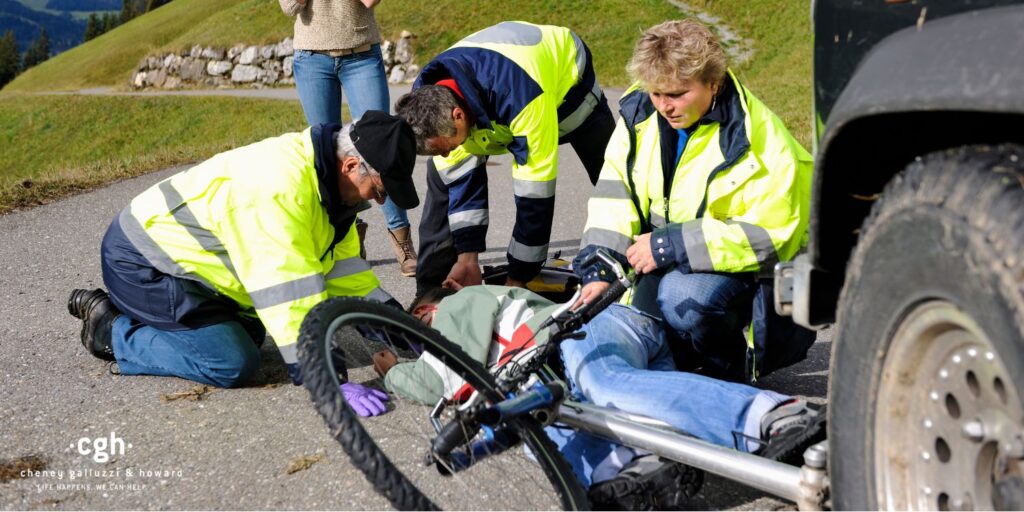
A bicycle offers almost no physical protection. A truck carries height, weight, braking distance, wider turning arcs, and larger blind zones. Even when impact speeds are not extreme, the force transfer can be devastating. A rider may first be struck, then thrown, then run over, or dragged, or pinned against a curb, parked vehicle, or roadside object. That sequence is one reason truck-bicycle cases often involve multiple injury mechanisms rather than a single point of trauma.
There is also the problem of visibility, or what drivers often call visibility. In many cases, it is really a blind spot problem. Cyclists can be plainly present and still go unseen from the cab during a right turn, a lane change, or a slow roll from a stop. Urban delivery drivers are particularly involved in these incidents because they operate in dense traffic, make frequent stops, face time pressure, and often maneuver close to bike lanes and curbs.
The legal impact of serious injury is obvious, but the practical impact is just as important. High medical bills change the stakes of the claim. Long rehabilitation means lost income may continue for months. A head injury may interfere with memory, concentration, and the ability to explain what happened. A fractured pelvis, crushed leg, spinal injury, or shoulder damage can end recreational riding, commuting, and sometimes entire careers. None of that is theoretical. These are the injuries that shape the value, timing, and difficulty of a truck-related bicycle claim.
The first legal issue is often not who hit the rider, but who actually owns the risk
One of the first things an experienced lawyer looks for is the full chain of responsibility. The truck driver may be employed by one company, operating a vehicle titled to another, working under a service contract for a third, and insured under a policy issued to yet another business entity. Add a maintenance vendor, a freight broker, a staffing company, or a municipality, and the case becomes far more layered than a standard private auto collision.
That matters because the answer to “who pays” may not be obvious from the police report. It also matters because commercial defendants tend to start defending themselves quickly. Some send investigators to the scene within hours. They secure vehicle photos, driver statements, telematics, and internal reports while the injured cyclist is still in the emergency room.
A Bicycle Accident Lawyer handling a truck case needs to move just as quickly. That often means identifying all relevant entities before evidence is lost, sending preservation notices, obtaining incident reports from the employer, and making sure potential insurance coverage is not overlooked. In some cases there may be a primary commercial auto policy, an umbrella policy, and additional coverage depending on the vehicle’s use.
How these crashes usually happen
The public often imagines a high-speed highway collision, but many bicycle-truck crashes happen at city speeds and within a few feet of an intersection. The most common patterns are painfully familiar to anyone who has spent time riding in traffic. A truck passes a cyclist and immediately turns right across the bike’s path. A driver changes lanes without clearing the passenger-side blind spot. A delivery vehicle stops or backs into a bike lane. A truck exits a driveway or loading zone and blocks the rider’s line of travel. A wide vehicle squeezes a cyclist against the curb or shoulder.
The right-hook crash deserves special attention because it appears simple on paper and is often disputed in practice. The driver may insist the cyclist came out of nowhere. The cyclist may have been traveling straight in a designated bike lane with the right of way. Witnesses may only see the final second of contact, not the lead-up. Video from a nearby storefront or bus can become decisive because it captures relative position, turn signal timing, lane use, and whether the truck overtook the bike before cutting across.
Another recurring pattern involves truck backing incidents. These are especially common in alleys, warehouse zones, service roads, and commercial parking areas. Drivers focus on pedestrians, loading docks, and large obstacles, but may fail to account for a cyclist approaching along the side. In severe cases, the rider is knocked down and trapped under the rear wheel path. Those cases often turn on backing protocols, spotter use, mirror setup, rear camera function, and site design.
The evidence that matters most
Truck-related bicycle cases are won or lost on detail. Not every case goes to trial, but every strong case is built as if it might. That means collecting evidence beyond the routine exchange of insurance information.
Some of the most valuable evidence is digital. Commercial vehicles may carry event data recorders, GPS history, onboard cameras, route logs, dispatch records, and electronic communication between the driver and the company. Even when the vehicle is not a long-haul truck regulated under the same framework https://dominickqult179.talesignal.com/posts/bicycle-accident-lawyer-advice-for-dangerous-road-design-cases as a tractor-trailer, many fleet vehicles still generate usable operational data. Speed, braking, turn timing, stop duration, and route assignments can all help reconstruct what happened.
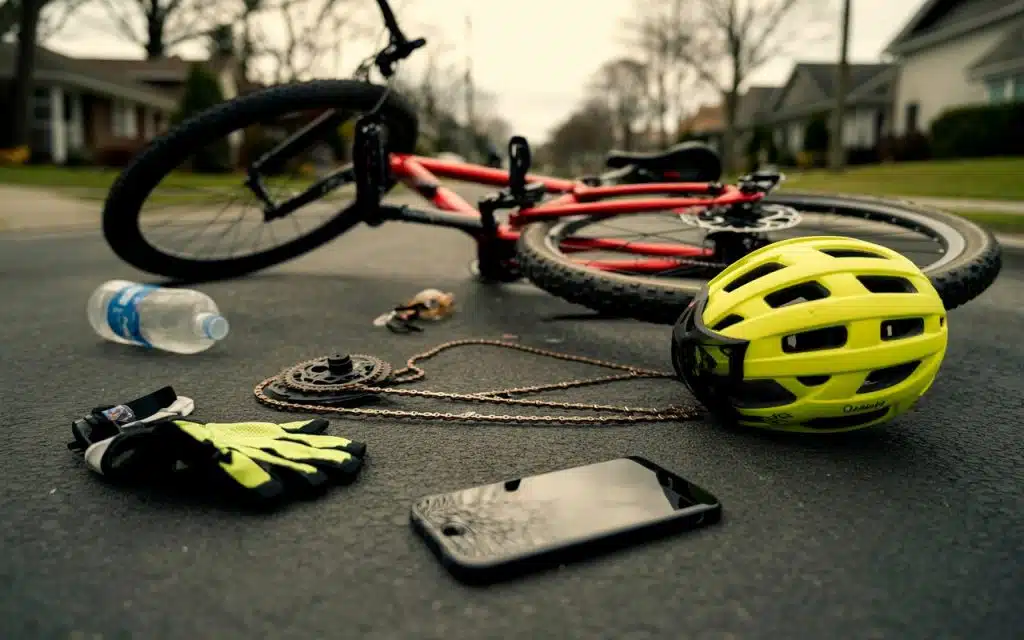
Physical evidence matters too. Scrape marks on the bicycle, crush damage to the front wheel, handlebar gouges, side-panel contact marks on the truck, and the exact final resting position can tell a more reliable story than a rushed statement taken curbside. Helmet damage can support head impact dynamics. Clothing tears and dirt patterns can show whether the rider fell before or after contact with the vehicle.
The strongest case files often include the following:
- Scene photographs taken immediately, including lane markings, curb line, truck position, debris, and sight obstructions
- Video from traffic cameras, businesses, residences, buses, or dashcams before it is deleted
- Driver logs, dispatch records, GPS, telematics, and onboard camera footage
- Maintenance, inspection, and repair records for mirrors, brakes, lights, and warning systems
- Medical records that connect the crash mechanism to the rider’s injuries from the first day forward
That list may look basic, but each item can change liability discussions dramatically. A single frame of video showing the bicycle already established in the lane before the truck turns can defeat a common defense. A maintenance record showing a broken side camera or unresolved mirror complaint can shift the case from ordinary negligence to something more serious. A dispatch message sent seconds before impact may support a distraction argument.
What to do in the hours and days after the crash
The rider’s first priority is medical care. Legal strategy starts there too. Waiting to be checked because adrenaline masks pain is a mistake I have seen many injured cyclists regret. Truck collisions often produce delayed symptoms, especially with concussions, internal injuries, neck trauma, and soft tissue damage around the shoulder and hip. Medical records created early also help prevent insurers from arguing that the injuries came from something else.
After emergency treatment, the next steps should be deliberate:
- Preserve the bicycle, helmet, clothing, lights, bags, and any damaged gear exactly as they are
- Write down everything remembered about the crash before memory fades, including signals, traffic flow, weather, and any statements by the driver
- Identify witnesses and nearby cameras as quickly as possible
- Avoid giving a recorded statement to the trucking insurer before getting legal advice
- Speak with a Bicycle Accident Lawyer who has handled commercial vehicle claims, not just ordinary bike crashes
That last point is worth pausing on. Plenty of injury lawyers can competently manage a straightforward car collision. Fewer have real familiarity with fleet records, preservation demands, commercial policies, driver training records, and the way transportation defendants frame liability. Truck cases require a different level of urgency and technical preparation.
The insurance company is not evaluating the claim the way the rider is
An injured cyclist usually sees the crash as a life event. The insurer sees a file with exposure, leverage points, and missing proof. That mismatch causes a lot of frustration. Riders expect the seriousness of the injury to drive the process. Insurers often focus first on liability uncertainty, comparative fault, and record gaps.
They may question visibility, lane position, lighting, speed, helmet use, road rule compliance, or whether the cyclist “could have avoided” the turn or lane change. Even in jurisdictions with strong bicycle protections, insurers often test these arguments because they know severe injury can pressure people into early settlements. They also know many riders are dealing with lost wages and medical stress and may not have access to the evidence needed to push back.
Commercial insurers are particularly skilled at narrowing the narrative. If the police report is incomplete, they may lean heavily on the driver’s version. If the rider’s injuries include a concussion, they may exploit memory inconsistencies. If there was no independent witness, they may call the case disputed even when vehicle geometry and street design strongly favor the cyclist’s account.
This is where experienced counsel earns their keep. A good lawyer does not just forward medical bills and demand payment. The lawyer reconstructs the event, identifies pressure points in the defense story, organizes damages coherently, and times negotiations around the development of the medical picture rather than the insurer’s convenience.
Comparative fault can shape the outcome, but it should not be assumed
Many cyclists worry that any small mistake on their part destroys the claim. Sometimes that fear comes from things they were doing wrong, and sometimes from defense rhetoric. The truth depends on state law and facts, but partial fault does not always bar recovery. In many places it reduces damages rather than eliminating them.
That said, truck cases frequently involve nuanced arguments. Suppose a cyclist was riding just outside the bike lane because debris forced a slight lateral move. Suppose the rider filtered to the front at a red light where local law allowed it, or at least did not prohibit it clearly. Suppose the front light battery was weak at dusk, but the truck turned across the cyclist’s path without signaling. Real cases rarely fit the clean moral categories people expect.
Judgment matters here. A lawyer should not pretend every cyclist did everything perfectly. That approach can backfire when photos, video, or witness accounts show otherwise. It is usually more effective to confront the weak fact directly, place it in context, and show why the truck driver’s conduct remained the primary cause of the collision.
Commercial vehicle rules can change leverage
Not every truck on the road is subject to the same regulations, but many commercial operators must follow internal safety policies and, depending on the vehicle and operation, state or federal rules. Driver training, mirror checks, route planning, hours, phone use, vehicle inspection, and cargo issues may all become relevant. Even local delivery fleets often maintain safety manuals and standard operating procedures that can help define what a careful driver was expected to do.
For example, if a company trained its drivers to avoid overtaking cyclists before right turns, yet the driver did exactly that, the company’s own policy may become powerful evidence. If a truck had known mirror defects or repeated complaints about blind-zone visibility, the maintenance record may matter as much as the impact itself. If a route required repeated turns through dense bike corridors under unrealistic time expectations, company practices may come under scrutiny.
A strong case sometimes develops not because the initial police report looks dramatic, but because later investigation reveals preventable risk embedded in the operation.
Damages in a bicycle-truck case are often broader than people realize
Medical bills are only the starting point. Truck collisions tend to create long recovery arcs, and those losses spread. A rider may need surgery, inpatient care, months of physical therapy, imaging, follow-up orthopedic treatment, pain management, neurological evaluation, and psychological counseling. If the cyclist commuted by bike, there may be transportation replacement costs and lifestyle disruption that do not show up neatly on an invoice.
Income loss can become complex as well. A salaried employee may use sick time first, masking the true economic impact. A freelancer or tradesperson may lose assignments, clients, or seasonal work. A serious hand, shoulder, knee, or brain injury can reduce earning capacity even after the person technically returns to work.
Then there is the non-economic side of harm. Good lawyers do not treat pain and suffering as a slogan. They document the specific ways the injury changed daily life. Can the rider carry a child, climb stairs, sit through a workday, sleep without medication, or ride again without panic? Did a formerly active person lose a central form of exercise, transportation, and identity? Those details matter because they turn an abstract injury code into a human loss the insurer, mediator, or jury can understand.
When wrongful death claims arise
Some truck-bicycle crashes are fatal. These cases demand care beyond ordinary litigation skill. Families are grieving while trying to understand a commercial claim, probate issues, funeral costs, and the sudden loss of income and companionship. The legal process can feel cold at exactly the wrong moment.
In fatal cases, early investigation becomes even more important because the person with the clearest account is gone. Video, vehicle data, witness statements, and road design evidence may be all that remains to explain what happened. A lawyer handling these claims needs to work with sensitivity, but also with urgency. Delay benefits the defense.
Settling too early is one of the costliest mistakes
Truck insurers sometimes move quickly after a severe bicycle crash. People often interpret that as a sign of fairness. It can be, but more often it means the carrier understands the exposure and wants resolution before the medical picture is fully developed. Once a release is signed, the claim is usually over. Later surgery, chronic pain, hardware complications, cognitive problems, or work limitations will not reopen it.
There are times when early settlement makes sense, particularly if injuries are modest and liability is clear. But that is less common in truck cases than people think. Serious claims deserve a full diagnosis, a realistic recovery forecast, and careful review of future treatment before numbers are discussed seriously.
Choosing the right lawyer for this kind of case
The best fit is not always the firm with the loudest advertising. Ask practical questions. Has the lawyer handled bicycle claims involving commercial vehicles? How quickly will preservation letters go out? Who investigates the scene? How do they approach video recovery? Have they dealt with fleet maintenance records and driver training files? Are they comfortable taking the case into litigation if the insurer undervalues it?
Experience with cyclists matters separately from experience with trucks. Lawyers who understand riding behavior, lane positioning, door zones, intersection timing, and bike infrastructure are often better able to explain a rider’s choices in a way insurers and juries find credible. They know that what looks unusual to a non-cyclist may actually be standard defensive riding.
The central point
A collision between a bicycle and a truck is never just a larger traffic case. It is a high-stakes investigation with urgent evidence issues, serious injury risk, and commercial defenses that start early. The rider’s recovery, financial stability, and long-term quality of life may depend on decisions made in the first days after the crash.
For that reason, strong legal help is not about being aggressive for its own sake. It is about being thorough before the record hardens. It is about preserving the bicycle before it is repaired or discarded, finding the camera before footage is overwritten, locating the right defendants before blame gets shuffled, and understanding how a truck operator should have behaved around a cyclist in the first place.
When those steps are handled well, a Bicycle Accident Lawyer can do more than pursue compensation. Good counsel can bring order to a chaotic situation, protect the injured rider from preventable mistakes, and build a claim that reflects what was truly taken, not just what was billed.
CGH Injury Lawyers
2701 Lawrence St Suite 201
Denver, CO 80205, United States
Phone: +1 720-669-8062
FAQ About Bicycle Accident Lawyer
Who is at fault if a car hits a bicycle?
Fault depends on the evidence and the traffic rules that applied to the collision. A driver, cyclist, or another party may share responsibility. Police reports, witness accounts, video, and the physical evidence can help establish what happened. A collision with a car does not automatically determine legal fault.
Can you sue someone for hitting you on a bike?
You may have a claim when another person's negligent conduct causes your injuries and losses. The available evidence, applicable deadlines, insurance coverage, and any shared fault affect your options. A lawyer can review the circumstances and explain whether an insurance claim or lawsuit is appropriate; compensation is not guaranteed.
What percentage does an injury lawyer usually take?
There is no single percentage that applies to every injury case. Many lawyers use a contingency fee based on a share of the recovery, with the terms stated in a written agreement. Ask how the percentage is calculated, whether it changes during litigation, and how case expenses are handled before signing.